
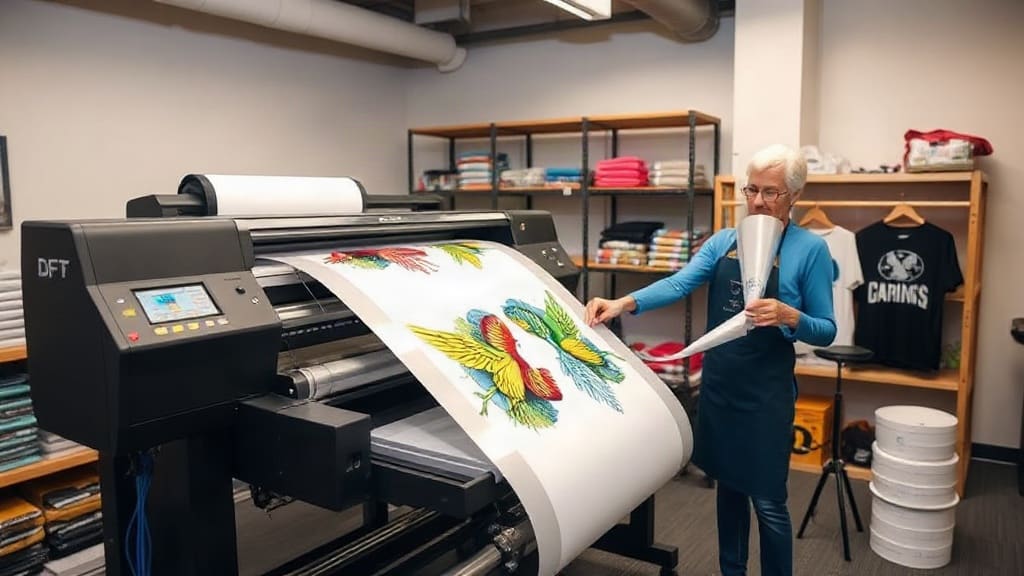
When you're searching for dtf transfers near me, it's easy to feel overwhelmed by the sheer number of options. From online giants to local print shops, each promises high-quality results and fast turnaround. But how do you separate the pros from the amateurs? In this guide, I'll share what I've learned after years of working with DTF printing, both as a buyer and a creator. You'll discover exactly what to look for in a local provider, how to avoid common pitfalls, and how to ensure your designs come out looking sharp, colorful, and durable.
Why Choose Local DTF Transfer Services?
You might wonder why you should bother with a local shop when countless websites offer DTF transfers with just a few clicks. The answer lies in the benefits that proximity brings. First, you can physically inspect samples before committing to a bulk order. Second, you can build a working relationship with the printer, making it easier to communicate your specific needs. Third, shipping costs and delays disappear, which is crucial if you have tight deadlines. And finally, supporting local businesses often means you get a more personal touch and faster response times when issues arise. In my own experience, a local shop saved me when a rush order for a client event was needed within 24 hours; no online retailer could have matched that.
What to Look for in a Quality DTF Transfer Provider
1. Print Quality and Sample Requests
The most important factor is always the final print. A professional shop should be willing to provide samples or small test orders. Look for vibrant colors, sharp details, and no banding or fading. Hold the transfer up to the light and check the opacity of the white ink layer. A good DTF transfer will have a solid white base that prevents colors from looking washed out when pressed on dark fabrics. Ask about their printer and ink brand; reputable shops often use Epson or Ricoh printers with quality pigment inks. Also, check the film backing; it should be clear and not yellowed, which indicates proper storage and handling.
2. Material and Durability
DTF transfers are known for their durability, but only if the right materials are used. Ask what type of adhesive powder they use. A high-quality powder will create a strong bond that withstands multiple washes without cracking or peeling. In my testing, transfers made with cheaper powders often fail after just a few washes. A good provider will also offer advice on correct pressing times and temperatures, and they might even include instructions with each order. If they hesitate to discuss technical details, that's a red flag.
3. Turnaround Time and Reliability
When you need custom transfers, time is often of the essence. Inquire about their standard turnaround and whether they offer rush services. A local shop might have a 2-3 day turnaround, which is excellent compared to online companies that need 5-7 days plus shipping. Also, ask about their order tracking and how they handle delays. I once had an online order get stuck in transit for two weeks, which taught me the value of dealing with someone I can actually call. Reliability also means they meet deadlines consistently, so check their reviews or ask for references.
4. Pricing Transparency and Minimum Orders
Pricing varies widely among DTF transfer providers. While you might find extremely low prices, they often reflect poor quality or hidden fees. A trustworthy local shop will provide clear pricing based on size, quantity, and complexity. Ask about setup fees, color corrections, or additional charges for larger sizes. Also, check if they have a minimum order requirement. Some shops require at least 10 or 20 transfers per design, while others accept single pieces. If you only need a few for personal use, a shop with no minimums is more convenient. But if you're a business, bulk prices can be significantly lower per transfer, so it's worth negotiating.
How to Search for DTF Transfers Near You Effectively
Finding local providers isn't as hard as it used to be, but you need to know where to look. Start with a simple Google search using the exact phrase dtf transfers near me. But don't stop there; refine your search by adding your city or neighborhood. For example, "DTF transfers in Austin" will yield more targeted results. Also, use Google Maps and search for "DTF printing" or "custom transfers" in your area. Pay attention to business hours, customer reviews, and photos of their work. Many print shops have social media pages where they showcase recent projects, giving you a sense of their style and quality. Additionally, local business directories and community forums can be goldmines. For instance, I found my current printer through a recommendation in a local Facebook group for small business owners.
Questions to Ask Before Placing an Order
Once you've shortlisted a few candidates, contact them with a clear set of questions. This not only helps you compare but also shows you're a serious customer. Here are some essential questions to ask:
- What file formats do you accept? (Most accept PNG, AI, PSD, PDF, but some might have limitations)
- Do you offer design assistance? If you have a rough idea, they can often help refine it.
- What is your maximum print size? This matters if you plan to print large designs.
- Can you send me a sample of a similar transfer? This is crucial for quality assessment.
- What are your payment terms? Do you require a deposit for large orders?
- Do you offer discounts for repeat customers? Many local shops value loyalty.
By asking these questions, you'll quickly gauge their professionalism and whether they're a good fit for your project.
Common Mistakes to Avoid When Choosing a DTF Transfer Provider
Even with careful research, there are pitfalls that can trip you up. One common mistake is assuming that all DTF transfers are the same. They're not. The quality of the film, ink, and adhesive powder can vary drastically. Another is ignoring the care instructions. A transfer that isn't pressed correctly will fail, no matter how good the transfer is. Also, don't fall for prices that seem too good to be true. In the custom printing world, you get what you pay for. I once ordered a batch of cheap transfers from an online seller, and they came out with faded colors and poor adhesion. That money was wasted. Finally, don't forget to test your transfer on the actual fabric you plan to use. Different materials react differently to heat and pressure, so a quick test can save you from a botched batch.
How to Get the Best Deal Without Sacrificing Quality
Everyone loves a good deal, but you have to be smart about it. Start by requesting quotes from at least three different local shops. Compare not just the price per transfer but also any additional costs. Some shops might include free artwork setup or offer a discount for bulk orders. If you're a business, ask about wholesale pricing. Also, consider timing. Many shops have slower periods when they're more willing to negotiate. For instance, after the holiday rush, they might offer promotions to keep their machines busy. Another tip is to consolidate your orders. Instead of making multiple small orders, combine them into one larger order to save on setup fees and get better per-unit pricing. And don't hesitate to ask for a price match if you've found a lower quote elsewhere; local shops often want to compete with online prices.
FAQs About Finding DTF Transfers Locally
What does DTF stand for?
DTF stands for Direct to Film. It's a printing method where a design is printed onto a special film, covered with adhesive powder, and then heat-pressed onto fabric. This technique is popular for custom apparel because it offers vibrant colors and works on many materials, including cotton, polyester, and blends.
How long do DTF transfers last?
With proper care, a high-quality DTF transfer can last for many washes without fading or cracking. Typically, you can expect 50 to 100 washes if you follow care instructions such as washing in cold water and avoiding harsh detergents or high heat in the dryer. The durability also depends on the fabric and pressing technique.
Can I use DTF transfers on any fabric?
Yes, DTF is incredibly versatile. It works on cotton, polyester, nylon, leather, and even some blends. However, the best results are usually on cotton or cotton-poly blends. For delicate fabrics like silk, you might need to adjust temperature and pressure to avoid damage. Always test a small area first if you're unsure.
What is the minimum order quantity for local DTF transfer shops?
That varies from shop to shop. Some local printers have no minimums and will print even a single transfer, while others might require a minimum of 10 or more to make it worth their time. It's best to contact potential providers directly and ask about their policies.
How much do DTF transfers cost on average?
The cost of DTF transfers depends on several factors: the size of the design, the quantity ordered, the number of colors, and the shop's overhead. On average, you might pay anywhere from $2 to $8 per transfer for standard sizes like 8x10 inches. Larger orders typically lower the per-unit cost. Local shops might be slightly more expensive than online options, but you save on shipping and gain the ability to inspect quality before mass production.
Final Thoughts
Finding the right provider for dtf transfers near me is about balancing quality, price, and convenience. By following the advice in this guide, you'll be equipped to make an informed choice that saves you time, money, and headaches. Remember to always request samples, ask the right questions, and build a relationship with a local expert who can support your printing needs for years to come. Whether you're a small business owner or a DIY enthusiast, the right DTF transfer partner can make all the difference in the world. So go ahead, start your search today, and create something amazing.