
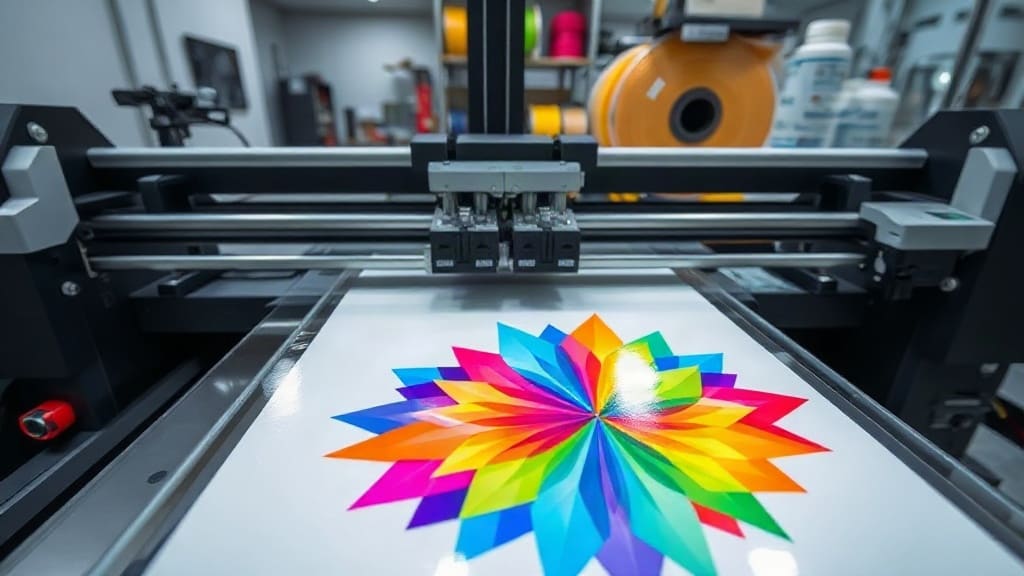
If you've ever wanted to create custom apparel with vibrant, durable prints, you've likely heard of DTF (Direct to Film) printing. This technology has taken the custom printing world by storm, offering a flexible and cost-effective alternative to traditional methods like screen printing or heat transfer vinyl. But what exactly is DTF, and why is it so popular? In this guide, we'll dive deep into the world of DTF transfers, exploring how they work, their benefits, and how to find reliable DTF transfers near me. Whether you're a seasoned printer or a small business owner looking to expand, this article will provide you with all the information you need to make informed decisions.
What Are DTF Transfers?
DTF transfers are a type of heat transfer that uses a special film and adhesive powder to create prints that can be applied to various fabrics. Unlike traditional screen printing, which requires screens and setup for each color, DTF printing is a digital process that allows for full-color prints with no minimum order quantities. The process involves printing a design onto a PET film, applying adhesive powder, and then heat-pressing the film onto the fabric. The result is a soft, stretchable, and highly durable print that can withstand multiple washes.
One of the key advantages of DTF transfers is their versatility. They can be used on cotton, polyester, blends, and even hard surfaces like mugs and bags, making them a go-to choice for custom apparel, promotional items, and more. Additionally, because the artwork is printed digitally, you can easily create complex designs with gradients, photographs, and fine details that would be difficult or impossible with other methods.
How Do DTF Transfers Work?
The process of creating DTF transfers involves several steps, each crucial to achieving a high-quality result. Here's a breakdown:
- Design and Print: First, you need a digital design. This can be created in graphic software or sourced from a client. The design is then printed onto a special PET film using a DTF printer, which uses CMYK plus white ink. The white ink is essential as it provides an opaque base for the colors, especially when printing on dark fabrics.
- Adhesive Powder Application: While the ink is still wet, a hot-melt adhesive powder is applied to the printed film. The powder sticks to the wet ink, and then the film is heated to cure the powder, creating a sticky layer that will bond to the fabric.
- Heat Pressing: The film is placed onto the fabric with the printed side down, and a heat press applies heat and pressure. This melts the adhesive and transfers the ink onto the fabric. After cooling, the film is peeled away, leaving the print embedded in the fabric.
- Finishing: The printed garment is ready to use. Some printers apply a final heat press to ensure the transfer is fully bonded, but this is optional.
This entire process is fast and efficient, making it ideal for on-demand printing and small batches. Unlike screen printing, there's no need for screens, which means lower setup costs and quicker turnaround times.
Benefits of Using DTF Transfers
There are many reasons why DTF transfers have become the preferred choice for many businesses and DIY enthusiasts. Here are some of the top benefits:
- Vibrant Colors and Detail: DTF printing allows for full-color, high-resolution prints that are sharp and vibrant. Even gradients and detailed graphics look stunning.
- Soft Feel: Unlike some thick vinyl prints, DTF transfers are soft to the touch, making them comfortable for all-day wear.
- Durability: DTF transfers are known for their excellent washability. They can withstand repeated washing and drying without cracking, fading, or peeling.
- Versatility: DTF transfers work on a wide range of fabrics, including cotton, polyester, and blends, as well as non-textile materials like wood and glass.
- No Minimums: Since there's no screen setup, you can order just one shirt or a thousand. This makes DTF ideal for personalized gifts, small business needs, and prototypes.
- Cost-Effective: For short runs and intricate designs, DTF is often more affordable than screen printing.
- Easy to Apply: Once you have the transfer, applying it is straightforward with a heat press, or even a home iron for small projects.
DTF Transfers Near Me: How to Find the Best Provider
If you're looking for DTF transfers near me, you have several options. You can search online for local printing shops, but it's important to evaluate them based on quality, pricing, and turnaround time. Here are some tips to help you choose the right provider:
- Check Reviews and Portfolios: Look for customer reviews and examples of their work. This will give you an idea of the print quality and customer satisfaction.
- Ask About Materials: Ensure they use high-quality films, inks, and adhesives. This affects the durability and feel of the final print.
- Request Samples: If possible, order a sample to test the print quality and how well it holds up after washing.
- Compare Prices: While price isn't everything, it's important to find a provider that offers fair pricing without compromising quality.
- Turnaround Time: If you have deadlines, make sure the provider can meet them. Some might offer rush services for an extra fee.
Alternatively, you can invest in your own DTF printer and make transfers in-house. This is a great option for businesses that need high volume and want full control over the process. However, it requires a significant upfront investment and some technical knowledge.
Applications of DTF Transfers
DTF transfers are incredibly versatile and can be used for a variety of applications:
- Custom Apparel: T-shirts, hoodies, sweatshirts, and even socks can be customized with DTF prints.
- Sports Uniforms: Because DTF prints are durable and flexible, they're perfect for jerseys and athletic wear.
- Promotional Products: Bags, caps, and other items can be branded with your logo or message.
- Personalized Gifts: Create unique gifts for birthdays, holidays, or special occasions, such as family portraits on shirts or mugs.
- Small Business Branding: If you run a small business, DTF transfers allow you to create professional-looking merchandise without large setup costs.
- Artistic Projects: Artists can use DTF to reproduce their artwork on various surfaces, opening up new revenue streams.
DTF vs. Other Printing Methods
To truly understand the value of DTF transfers, it's helpful to compare them to other popular printing techniques.
DTF vs. Screen Printing
Screen printing is a traditional method that uses screens to apply ink. It's cost-effective for large runs but requires expensive setup for each color. DTF, on the other hand, has no setup costs and is perfect for short runs and full-color designs. Screen printing often yields thicker prints, while DTF offers a softer feel.
DTF vs. Direct-to-Garment (DTG)
DTG is similar to DTF but prints directly onto the garment. DTG can be slower and requires pretreating garments, especially dark ones. DTF prints onto a film first, which can be applied to various fabrics, making it more versatile. DTF also allows for printing on materials that DTG can't handle, like nylon or leather.
DTF vs. Heat Transfer Vinyl (HTV)
HTV involves cutting vinyl and heat-pressing it onto fabric. It's great for simple designs with one or two colors, but it's not suitable for complex, full-color graphics. DTF handles anything from simple to complex with ease, and the prints are more durable and softer.
Tips for Using DTF Transfers
If you're new to DTF printing, here are some practical tips to get the best results:
- Use a Good Heat Press: A quality heat press ensures even pressure and temperature, which is crucial for a successful transfer. Set the temperature according to the film and fabric type, usually around 300°F (150°C) for 15-20 seconds.
- Peel While Warm or Cold? Some films require hot peeling, others require cold. Always check the manufacturer's instructions. Typically, DTF transfers are peeled cold to avoid smudging.
- Test on Scrap Fabric: Before applying to your final garment, test on a piece of similar fabric to ensure the settings are correct.
- Handle with Care: The film is delicate before pressing, so avoid touching the printed area to prevent smudging.
- Wash Inside Out: To prolong the life of your prints, wash garments inside out and avoid using harsh detergents or bleach.
Frequently Asked Questions About DTF Transfers
How long do DTF transfers last?
With proper care, DTF transfers can last for many years and withstand over 50 washes without fading or cracking. The durability depends on the quality of materials and application process. Always follow the care instructions to maximize longevity.
Can DTF transfers be used on any fabric?
DTF transfers work best on natural and synthetic fabrics, including cotton, polyester, and blends. They also adhere well to materials like nylon and even leather. However, for extremely stretchy fabrics or those with low melting points, it's important to test first and adjust press settings accordingly.
What is the difference between DTF and DTG?
DTF (Direct to Film) prints onto a film that is then transferred to the fabric, while DTG (Direct to Garment) prints directly onto the garment. DTF offers more versatility in terms of fabric types and doesn't require pretreatment. DTG can be slower for bulk orders but is excellent for large quantities on cotton items.
Do I need a special printer for DTF?
Yes, DTF requires a printer that can handle the special DTF inks and films. Many Epson printers are commonly converted for DTF use, but it's essential to use high-quality inks and films to ensure vibrant, durable prints.
Can I apply DTF transfers with a home iron?
Yes, you can, but it's more challenging to get consistent results. A home iron may not provide the even pressure and temperature control that a heat press does. For small projects, it can work, but for professional-quality results, a heat press is recommended.
Conclusion
DTF transfers have revolutionized the custom printing industry, offering a perfect blend of quality, versatility, and ease of use. Whether you're a hobbyist or a business owner, understanding the ins and outs of DTF can open up a world of possibilities. By choosing the right DTF transfers near me, you can create stunning, durable prints that will impress your customers and stand the test of time. We hope this guide has given you the confidence to explore DTF printing further. Happy printing!