
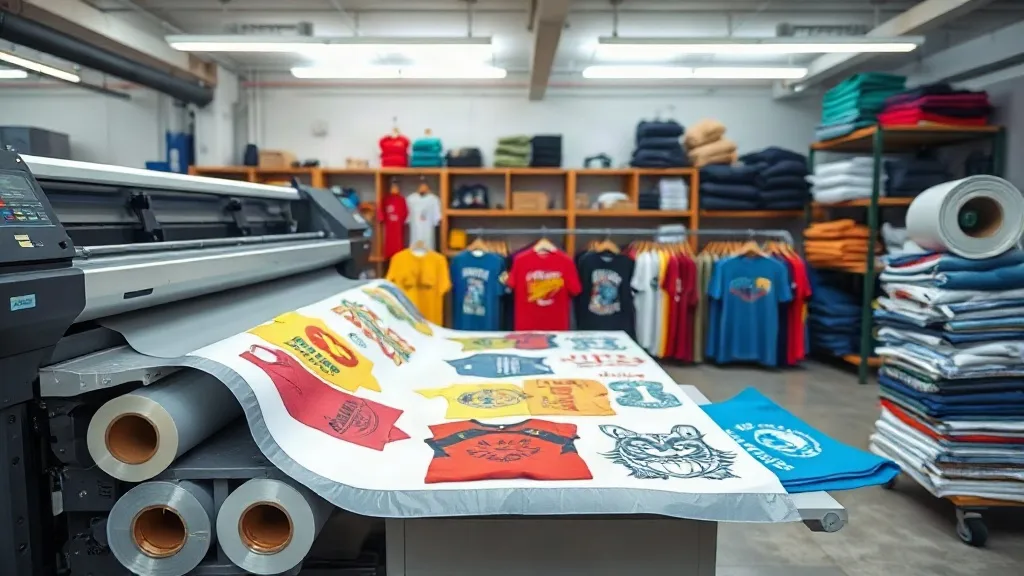
If you run a custom apparel business, you know that efficiency and quality are the keys to staying competitive. Every minute spent on production and every dollar wasted on materials eats into your margins. That's where DTF Gangsheet comes in. This innovative printing method allows you to arrange multiple designs on a single sheet, maximizing your transfer film and minimizing waste. In this guide, we'll explore how DTF gangsheets work, why they're a game-changer for small and large shops alike, and how you can integrate them into your workflow to boost productivity and profits.
What Exactly Is a DTF Gangsheet?
A DTF gangsheet is a large sheet of transfer film on which multiple DTF (Direct to Film) prints are arranged together. Instead of printing each design individually, you gang them up on one sheet, hence the name. This approach is similar to gang printing in offset lithography, where multiple jobs are combined to save time and materials. With DTF, the designs are printed onto a special film using water-based pigments, then coated with a hot-melt adhesive powder. The sheet is then cured and can be stored until you're ready to press the designs onto garments.
The beauty of a gangsheet lies in its flexibility. You can mix and match different designs, sizes, and quantities on a single sheet. Whether you need 50 small logos and 10 large back prints, you can arrange them all on one gangsheet. This eliminates the need for separate setups and reduces film waste dramatically.
Why DTF Gangsheets Are a Game-Changer for Your Shop
Let's break down the key benefits that make DTF gangsheets a must-have for any serious apparel decorator.
1. Unmatched Efficiency and Time Savings
Time is money. With traditional DTF printing, you'd print each design separately, which means more film changes, more powder application, and more curing cycles. A gangsheet consolidates all these steps into one. Imagine printing a batch of 100 shirts with various designs: instead of 100 individual prints, you create one gangsheet with all 100 designs, print it once, powder it once, and cure it once. The time savings are enormous, allowing you to take on more orders and increase your throughput.
2. Cost-Effective and Waste-Reducing
DTF film and powder are consumables that directly impact your bottom line. By maximizing the use of every inch of film, you reduce waste and lower your cost per print. Gangsheets let you nest designs tightly, filling gaps with smaller elements. This is especially beneficial for small orders where individual printing would leave a lot of unused film. Over time, these savings add up, giving you a competitive edge.
3. Vibrant, Durable Prints on Any Fabric
DTF prints are known for their bright colors and soft hand feel. The process works on virtually any fabric, including cotton, polyester, blends, and even nylon. The prints are highly durable, resisting cracking, fading, and washing. With gangsheets, you can offer your customers high-quality custom apparel without the limitations of screen printing or vinyl.
4. Versatility for Small and Large Orders
Whether you're a small home-based business or a large commercial shop, gangsheets adapt to your needs. For small orders, you can gang multiple designs to fill a sheet, making it cost-effective. For large orders, you can produce multiple gangsheets in a batch, streamlining production. The flexibility to combine different jobs on one sheet means you can handle a wide range of projects without changing your setup.
How to Create and Use a DTF Gangsheet
Creating a gangsheet is straightforward if you follow the right steps. Here's a quick guide:
- Design Preparation: Ensure all your designs are print-ready. Convert them to the correct color profile (usually CMYK) and mirror them horizontally. Add a white underbase layer if necessary (most DTF printers handle this automatically).
- Layout: Use design software or a specialized gangsheet builder to arrange your designs on a canvas that matches your film size (e.g., 13" x 19", 24" x 36"). Nest designs closely to minimize waste, but leave a small gap (about 0.1 inch) between them for easy cutting.
- Printing: Load the film into your DTF printer and send the gangsheet file. Ensure your printer is calibrated for optimal ink coverage.
- Powder Application: While the ink is still wet, apply hot-melt adhesive powder evenly over the printed area. Shake off excess powder.
- Curing: Cure the powder using a heat press or a curing oven. Follow the powder manufacturer's recommendations for temperature and time.
- Pressing: Cut out each design and press it onto your garment using a heat press. The adhesive melts and bonds the print to the fabric.
For best results, always test your settings on a scrap piece of fabric before production.
Maximizing Your DTF Gangsheet Investment
To get the most out of your gangsheets, consider these tips:
- Invest in Quality Supplies: Use high-quality DTF film and powder to ensure consistent results. Cheap supplies can lead to clogged printers, poor adhesion, and faded prints.
- Optimize Your Layout: Use nesting software to automatically arrange designs for minimal waste. Many RIP software options include gangsheet tools.
- Store Properly: Uncured gangsheets should be stored in a cool, dry place away from direct sunlight. Cured sheets can be stored in a binder or file for easy access.
- Keep Records: Track your film usage and costs to identify areas for improvement. This data helps you price your products accurately.
By treating your gangsheet production as a systematic process, you'll see consistent quality and profitability.
Common Mistakes to Avoid with DTF Gangsheets
Even experienced printers can slip up. Watch out for these pitfalls:
- Overcrowding the Sheet: Leaving too little space between designs can cause ink bleeding and make cutting difficult. Always maintain a small gap.
- Inconsistent Powder Application: Too much powder leads to a stiff, crusty feel; too little results in poor wash durability. Aim for an even coating.
- Improper Curing: Under-curing causes the powder to wash off; over-curing can yellow the film or damage the adhesive. Use a temperature gun to verify.
- Ignoring Printer Maintenance: DTF printers require regular cleaning and maintenance. Neglecting this leads to clogs and inconsistent prints.
By avoiding these mistakes, you'll save time and materials.
Frequently Asked Questions About DTF Gangsheets
What is the maximum size of a DTF gangsheet?
The maximum size depends on your printer and film. Common film widths are 13", 17", 24", and 36". Length can vary; some printers support rolls, allowing for long gangsheets. Always check your printer's specifications.
Can I mix different fabric types on one gangsheet?
Yes, you can print designs intended for different fabrics on the same sheet. However, when pressing, you'll need to adjust temperature and pressure according to the fabric of each garment. The prints themselves are versatile and adhere to most fabrics.
How long can I store a DTF gangsheet before use?
Uncured gangsheets should be used within a few days to avoid dust accumulation and ink drying. Cured sheets can be stored for several months if kept in a cool, dry place away from direct sunlight. Always test a small piece before a full production run.
Do I need special software to create a gangsheet?
You can use standard graphic design software like Adobe Illustrator or CorelDRAW to manually arrange designs. However, dedicated gangsheet builder software (often included with RIP software) automates nesting and saves time, especially for complex layouts.
Is DTF gangsheet printing more expensive than other methods?
When used efficiently, DTF gangsheets can be very cost-effective, especially for small to medium orders. The initial investment in a DTF printer and supplies may be higher than some methods, but the versatility and low waste often lead to lower cost per print in the long run. Compare your specific production needs to determine the best fit.
Ready to take your custom apparel to the next level? Explore DTF gangsheet solutions at dtfmaxpro.com and see how this technology can transform your business.