
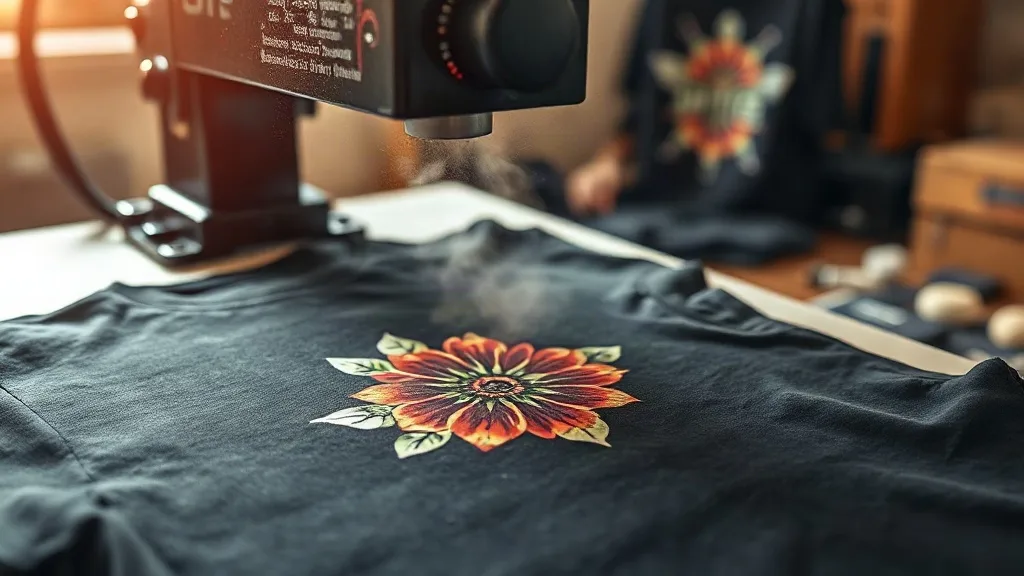
If you've been exploring custom apparel printing, you've likely encountered DTF transfers. This innovative technology is changing the game for small businesses, hobbyists, and anyone who wants professional-looking prints without the hassle of traditional methods. In this guide, we'll break down everything you need to know about DTF transfers, from the basics to advanced tips, so you can achieve stunning results every time.
What Are DTF Transfers?
DTF stands for Direct-to-Film. It's a printing method where your design is printed onto a special film, then coated with a powder adhesive and cured. The resulting transfer can be pressed onto various fabrics, including cotton, polyester, blends, and even some non-textiles. Unlike DTG (Direct-to-Garment) printing, which requires pretreatment and works best on cotton, DTF transfers are incredibly versatile and durable.
How DTF Transfers Differ from Other Methods
Compared to screen printing, DTF transfers don't require setup costs per color, making them ideal for small batches and detailed designs. They also outperform vinyl in terms of complexity and stretchability. And unlike sublimation, DTF works on dark fabrics and cotton, opening up a world of possibilities.
The DTF Transfer Process: Step by Step
Understanding the process helps you troubleshoot and perfect your technique. Here's a breakdown of the key steps:
- Design Preparation: Create your artwork and print it onto DTF film using a DTF printer. The design is printed in reverse (mirrored) so it reads correctly when pressed.
- Powder Application: While the ink is still wet, apply DTF adhesive powder evenly over the design. Shake off excess.
- Curing: Melt the powder using a heat press or oven until it becomes glossy. This activates the adhesive.
- Pressing: Place the transfer on your fabric and press with a heat press at the recommended temperature and pressure. Once cooled, peel the film off.
Choosing the Right DTF Supplies
Quality supplies are crucial for consistent results. Look for reputable DTF film that offers good ink release and durability. The powder should be fine and evenly melt. And of course, a reliable DTF printer is your foundation. If you're searching for dtf transfers supplies or ready-made transfers, many online stores cater to both beginners and pros.
Applications and Fabrics: Where DTF Shines
DTF transfers adhere to a wide range of materials. They're perfect for t-shirts, hoodies, tote bags, and even denim. The elasticity of the transfer makes it suitable for stretchy fabrics like spandex blends. However, for nylon or waterproof materials, you may need special low-temperature transfers. Always test on a scrap piece first.
Tips for Flawless DTF Pressing
Even with high-quality supplies, pressing technique matters. Here are some expert tips:
- Pre-press your garment: Remove moisture and wrinkles to ensure proper adhesion.
- Use the right temperature: Typically around 300°F to 340°F (150°C to 170°C), but check your transfer's instructions.
- Apply firm pressure: Medium to heavy pressure ensures the adhesive bonds well.
- Peel cool: Wait until the transfer is completely cool before peeling for a matte finish, or peel hot for a glossy look.
- Post-press for durability: A second press with a Teflon sheet for a few seconds can improve washability.
Common Mistakes to Avoid
Beginners often press too lightly or at the wrong temperature, leading to peeling or dull colors. Also, forgetting to mirror the design results in backward prints. Always double-check your artwork orientation before printing.
Finding DTF Transfers Near You
If you don't want to invest in a printer, you can order custom transfers or buy pre-made designs. Searching for dtf transfers near me can help you locate local suppliers or online shops that ship quickly. Many companies offer gang sheets, allowing you to maximize your film usage and reduce costs.
Why Choose DTF for Your Business?
For small businesses, DTF offers low startup costs, the ability to print on demand, and high versatility. You can offer custom apparel without holding inventory. Plus, the prints are soft, stretchable, and long-lasting. It's a smart investment for entrepreneurs looking to enter the custom apparel market.
Frequently Asked Questions
How long do DTF transfers last?
With proper care, DTF transfers can last as long as the garment itself. Wash inside out in cold water and avoid harsh chemicals. Following the pressing instructions ensures maximum durability.
Can I use DTF transfers on dark colors?
Absolutely! DTF transfers include a white ink layer that makes them opaque on any color, including black. This is a major advantage over other methods.
What's the difference between DTF and DTG?
DTG prints directly onto the fabric and works best on cotton, while DTF transfers can be applied to a wider range of materials and don't require pretreatment. DTF also allows for higher detail and stretch.
Do I need a special printer for DTF?
Yes, a DTF printer uses special ink and film. However, you can also purchase ready-to-press transfers from suppliers if you don't want to invest in equipment.
How do I store DTF transfers?
Store unused transfers in a cool, dry place away from direct sunlight. Keep them flat to avoid creasing. Properly stored transfers can last for months.