
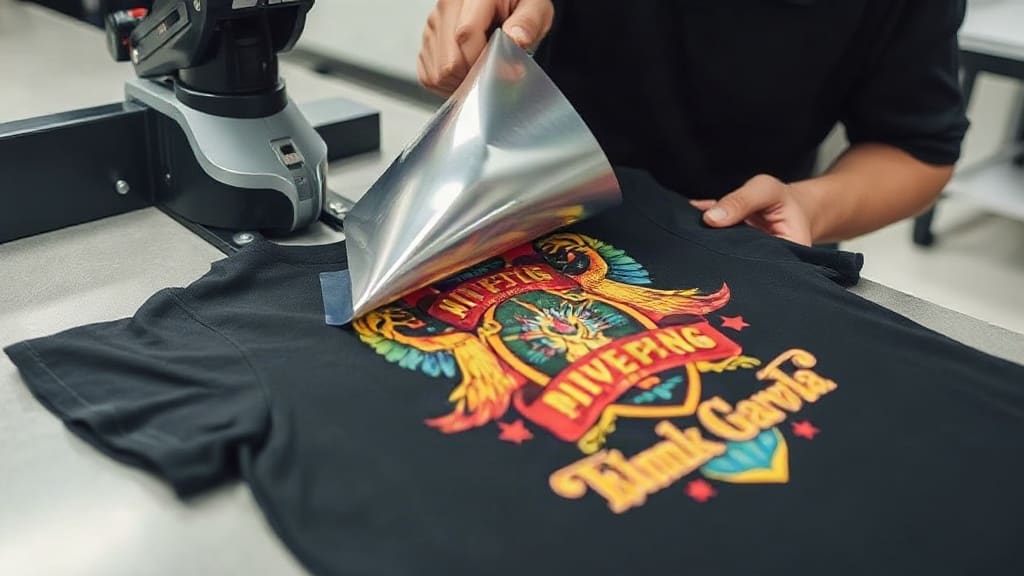
If you've been searching for DTF printing solutions, you've probably typed "DTF transfers near me" into Google at some point. It's a natural thing to do, especially when you need custom apparel quickly and want to avoid shipping delays. But finding the right local supplier isn't just about proximity. There are several factors that determine whether your transfers will look vibrant, last through many washes, and actually save you money. In this guide, I'll walk you through what to consider when choosing a local provider, how to evaluate quality, and how to get the most value from your purchase. Whether you're a small business owner or a hobbyist, these insights will help you make smarter decisions.
Understanding DTF Transfers and Their Benefits
Before diving into the local search, it's helpful to understand why DTF has become so popular. DTF, which stands for Direct to Film, is a printing method where designs are printed onto a special film, coated with adhesive powder, and then heat-pressed onto fabric. Unlike traditional screen printing, DTF allows for highly detailed, full-color prints without the need for screens or setup fees. This makes it ideal for small batches and intricate designs.
One of the biggest advantages of DTF transfers is their versatility. You can apply them to a wide range of fabrics, including cotton, polyester, blends, and even some nylons. The prints are stretchy, durable, and have a soft hand feel. Plus, you can store the transfers for later use, which is perfect if you only need a few shirts at a time.
Why Search for DTF Transfers Near Me?
When you search for "DTF transfers near me," you're likely looking for several benefits:
- Speed: Local providers can often produce transfers within a day or two, and you can pick them up personally.
- Shipping savings: No shipping costs or waiting for packages.
- Personal interaction: You can discuss your project face-to-face, see samples, and build a relationship.
- Support local businesses: Keep your money in the community.
However, convenience shouldn't be the only factor. In the next sections, I'll share what I've learned from experience about choosing the right supplier, what questions to ask, and how to ensure you're getting high-quality transfers.
Key Factors to Consider When Choosing a Local DTF Provider
Quality of Prints
The most critical aspect is the quality of the DTF transfers themselves. A good transfer should have vibrant colors, sharp details, and a smooth finish. When you visit a local supplier, ask to see samples, ideally on the type of fabric you plan to use. Pay attention to how the print feels. If it feels thick or plasticky, it might not be the best quality. A quality DTF transfer should have a soft hand, meaning it doesn't feel like a heavy sticker on the fabric.
Also, check the white ink layer. DTF relies on a white base to make colors pop, especially on dark garments. If the white ink is too thin or grainy, it can affect the overall look. Don't hesitate to ask about their printing equipment and the type of film and powder they use. Reputable suppliers will be transparent about their processes.
Minimum Order Quantities
Many local print shops have minimum order requirements, which can be a hurdle if you only need a few transfers. When searching for "DTF transfers near me," inquire about their MOQ. Some providers are flexible and will do small runs, while others cater to bulk orders. If you're a small business, finding a supplier with low or no MOQ can be a game-changer. You won't have to tie up your cash in inventory you don't need yet.
Turnaround Time
Time is often of the essence. Ask about their typical turnaround time. Do they offer rush services? If you have an event or a customer deadline, you need to know if they can deliver on time. A reliable local supplier should give you a clear timeline and stick to it.
Pricing and Hidden Costs
Price is always a consideration. Compare rates from different local providers, but be wary of extremely low prices. They might cut corners on materials, leading to poor quality. Also, ask about any additional fees, such as setup charges or color correction costs. Some shops include these in the per-transfer price, while others add them on top. Make sure you get a detailed quote so there are no surprises.
How to Evaluate DTF Transfer Quality Like a Pro
Not all transfers are created equal. Here are some hands-on tests you can do when evaluating a supplier's work:
Stretch Test
Take a sample transfer and apply it to a piece of fabric. After pressing, stretch the fabric firmly. A quality transfer should move with the fabric without cracking or peeling. If you see any separation, it's a red flag.
Wash Test
Ask for a sample that you can wash. Follow the care instructions (usually washing inside out in cold water) and run it through a few cycles. Quality DTF transfers should withstand at least 30 washes without significant fading or cracking. If the supplier won't provide a test sample, that's a warning sign.
Color Vibrancy
Look at the print under natural light. The colors should be vivid and true to the original design. Dull or muddy colors can result from poor ink or incorrect curing temperatures. Also, check the edges of the design. They should be clean and crisp, with no jagged lines.
Local vs. Online DTF Transfer Providers: Pros and Cons
While the focus is on finding DTF transfers near you, it's worth comparing local options with online suppliers. Each has its advantages.
Local Pros
- Immediate pickup and no shipping costs.
- Direct communication and the ability to see physical samples.
- Easier to handle urgent orders.
- Supporting local economy.
Local Cons
- Might have higher prices due to overhead.
- Limited selection of films or specialty finishes.
- Some may not have the latest technology.
Online Pros
- Often lower prices due to scale.
- Wide range of options, including specialty films and effects.
- Convenient ordering from home.
Online Cons
- Shipping time and costs.
- Cannot inspect physical samples before purchase.
- Communication might be slower.
In my experience, a combination of both can be beneficial. Use local for quick orders and emergency needs, and online for larger batches or unique products.
How to Save Money on DTF Transfers Without Sacrificing Quality
Everyone loves a bargain, but you need to be smart about it. Here are some strategies to get better value for your money:
Buy in Bulk
If you have consistent orders, consider buying in larger quantities. Many suppliers offer volume discounts. Even if you don't need all the transfers at once, storing them is easy because they have a long shelf life when kept in a cool, dry place.
Optimize Your Designs
The complexity of your design can affect the price. Large areas of solid color require more ink. By simplifying your design or reducing the number of colors, you can lower the cost per transfer. However, be careful not to compromise the visual impact.
Combine Orders
If you have multiple orders, combine them into one purchase. This reduces the per-unit cost and also minimizes the environmental impact of packaging.
Ask for Discounts
Don't be afraid to ask if the supplier offers discounts for first-time customers or for recurring business. Sometimes a simple conversation can lead to a better deal.
Red Flags to Avoid When Searching for DTF Transfers Near Me
To ensure you have a positive experience, watch out for these warning signs:
- Vague communication: If the supplier can't clearly answer questions about their process or materials, they might not be experienced.
- No samples: A reputable provider will gladly show you samples. If they avoid it, that's a red flag.
- Extremely low prices: As the saying goes, "you get what you pay for." Too-good-to-be-true prices often mean subpar materials.
- Poor reviews: Check online reviews and ask for references. Other customers' experiences can tell you a lot.
Real-World Examples: How I Found My Go-To Local Supplier
Let me share a personal story. A few years ago, I started a small custom t-shirt business from my garage. I was ordering transfers online, but the shipping delays were killing me. I decided to search for "DTF transfers near me" and found a print shop about 20 minutes away. I visited them with my designs and asked to see samples. They were happy to show me various prints on different fabrics. I did a stretch test on one of their samples, and it held up beautifully. They also offered a small MOQ of just 10 transfers, which was perfect for my initial needs. Since then, we've built a strong partnership. They even give me a loyalty discount because I order regularly. That experience taught me the value of building a local relationship.
How to Prepare Your Files for DTF Printing
To get the best results from your local provider, you should prepare your artwork correctly. Here are some tips:
Use High-Resolution Images
Your design should be at least 300 DPI to ensure sharp prints. Low-resolution images will appear pixelated, which no amount of printing can fix.
Choose the Right Color Profile
Work in CMYK color mode, as this is what printers use. RGB colors might look different on screen compared to the print.
Add a White Base if Needed
For dark garments, you need a white underbase to make the colors pop. Most DTF printers automatically add this, but it's good to know.
Check the Bleed Area
Make sure your design extends beyond the cut line to avoid any white edges after cutting.
If you're unsure, ask your supplier for their file specifications. They'll appreciate your professionalism.
The Future of DTF Printing and Local Trends
The DTF industry is evolving rapidly. New films and powders are being developed that offer even better stretchability and softer hand feel. Some suppliers are investing in automated machines that reduce costs and improve consistency. As a consumer, this means you'll have access to higher quality transfers at lower prices over time.
In many cities, the demand for DTF transfers is growing, leading to more local options. This competition is good for you because it forces suppliers to improve their services. Keep an eye out for local trade shows or networking events where you can meet suppliers in person.
Frequently Asked Questions About DTF Transfers Near Me
How long do DTF transfers last?
With proper care, DTF transfers can last for 30 to 50 washes without significant fading or cracking. The durability depends on the quality of the film, ink, and adhesive powder, as well as the washing conditions. To maximize lifespan, wash garments inside out in cold water and avoid using bleach or fabric softeners.
Can I apply DTF transfers to any fabric?
DTF transfers are most effective on cotton, cotton blends, and polyester. They also work on some synthetic fabrics like nylon, but the results may vary. For best results, always test on a small piece of the fabric you intend to use.
How much should I expect to pay for DTF transfers?
Prices vary based on size, quantity, and complexity. On average, you might pay between $1 to $5 per transfer for small to medium designs. Local suppliers might charge slightly more than online options, but you save on shipping and gain the ability to inspect quality beforehand.
Do I need any special equipment to apply DTF transfers?
Yes, you'll need a heat press with temperature and pressure controls. A standard heat press is sufficient; you don't need a specialized one. The recommended temperature is typically around 320°F (160°C) for 15 seconds with medium pressure, but always follow the supplier's instructions.
What should I do if my DTF transfers are not sticking well?
If your transfers are not adhering properly, it could be due to incorrect temperature, pressure, or time. Make sure you're using the right settings for the specific transfer. Also, ensure the fabric is clean and dry before pressing. If problems persist, contact your supplier for guidance.
Conclusion: Making the Most of Your Local DTF Search
Finding reliable DTF transfers near you doesn't have to be a hit-or-miss adventure. By understanding what makes a good transfer, asking the right questions, and testing samples, you can secure a supplier that meets your needs and budget. Remember, it's not just about convenience; it's about getting a product that makes your customers happy and your business thrive. So, take the time to evaluate your options, build relationships, and don't be afraid to ask for what you need. With these tips, you'll be well on your way to producing great custom apparel that stands out.