
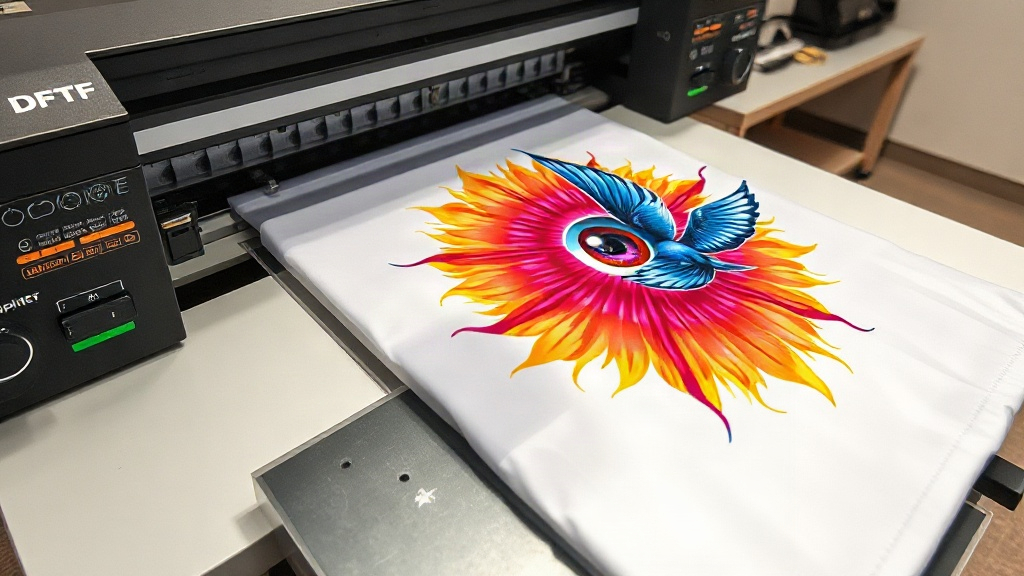
If you've been exploring custom apparel printing, you've likely encountered DTF printing. Short for Direct-to-Film, this technology has quickly become a favorite among small business owners, hobbyists, and professional printers alike. Unlike traditional methods that require specialized equipment or extensive setup, DTF offers a versatile and cost-effective way to transfer vibrant designs onto a wide range of fabrics. In this guide, we'll walk you through everything you need to know about DTF printing, from the basic process to practical tips for achieving professional results.
What is DTF Printing?
DTF printing is a digital printing method where your design is printed onto a special film, coated with a powder adhesive, and then heat-pressed onto the fabric. The magic lies in its simplicity: you don't need to pretreat the garment (unless it's certain synthetic materials), and you can print on cotton, polyester, blends, and even tough fabrics like canvas and denim. This flexibility makes DTF a go-to solution for custom t-shirts, hoodies, tote bags, and more.
How Does DTF Printing Work?
The DTF process can be broken down into four main steps:
- Design Preparation: Create or source your artwork. Ensure it's high resolution and mirrored if needed (though most RIP software handles this automatically).
- Printing: Using a DTF printer, your design is printed onto a PET film with special inks. White ink is typically used as a base to make colors pop on dark fabrics.
- Powdering: While the ink is still wet, a hot-melt adhesive powder is applied evenly over the print. Excess powder is shaken off.
- Curing: The film goes through a curing oven or heat press to melt the powder, creating a dry, ready-to-transfer sheet.
Once you have your transfer, you simply place it on your garment and apply heat and pressure with a heat press. After cooling, peel off the film, and your design is permanently bonded to the fabric.
Why Choose DTF Printing?
There are several reasons why DTF printing stands out:
- Versatility: Works on almost any fabric, including cotton, polyester, nylon, and leather.
- No Pretreatment: Saves time and money, especially for small batches.
- Vibrant Colors: The white ink base allows for bright, opaque designs on dark garments.
- Durability: When applied correctly, DTF transfers withstand repeated washing without cracking or fading.
- Cost-Effective for Short Runs: Ideal for small businesses or personalization, as there's no minimum order quantity.
DTF vs. Other Printing Methods
How does DTF compare to screen printing, DTG, and vinyl? Let's break it down.
DTF vs. Screen Printing
Screen printing is great for large orders of simple designs, but it requires separate screens for each color, making it expensive for multi-color or small runs. DTF excels in full-color, detailed designs without setup costs, making it perfect for one-offs or small batches.
DTF vs. DTG
Direct-to-Garment (DTG) printing is limited mostly to 100% cotton and requires pretreatment. DTF works on more fabrics and often produces more durable results, especially on blends.
DTF vs. Vinyl
Heat transfer vinyl (HTV) is ideal for simple, single-color designs. DTF handles complex, multi-color images with ease, and you don't have to weed tiny details.
Getting Started with DTF Printing
Ready to dive into DTF? Here's what you'll need:
- DTF Printer: Options range from converted Epson printers to dedicated industrial machines. For beginners, a converted printer with a DTF ink system is a good start.
- DTF Inks: Specially formulated pigment inks that work with the film and powder.
- PET Film: Available in rolls or sheets; choose a thickness that matches your printer.
- Adhesive Powder: Usually TPU-based, available in fine or coarse grades.
- Heat Press: A reliable heat press with accurate temperature and pressure control is essential.
- Curing Oven: Optional but recommended for consistent curing of the powder.
You'll also need design software like Photoshop or Illustrator to prepare your artwork.
Tips for Perfect DTF Transfers
To achieve professional-looking results, keep these tips in mind:
- Start with high-quality artwork: 300 DPI at the final print size is ideal. Avoid low-resolution images that pixelate.
- Control your environment: Humidity can affect powder adhesion. Aim for 40-60% relative humidity.
- Test your heat press settings: Each fabric and transfer may require slight adjustments. Typical settings: 325°F for 15-20 seconds with medium-firm pressure.
- Use a Teflon sheet or parchment paper: Protect your heat press and garment during application.
- Wash inside out: To extend the life of your DTF prints, turn garments inside out and wash in cold water. Avoid fabric softeners and bleach.
Common DTF Printing Challenges and Solutions
Even with the best equipment, you might run into issues. Here are some common problems and how to fix them:
Faded or Dull Colors
This often happens if the white ink layer is too thin or if the powder isn't fully cured. Increase white ink density and ensure proper curing temperature and time.
Transfer Peeling or Cracking
Insufficient pressure or incorrect temperature during application can cause poor adhesion. Adjust your heat press settings and ensure even pressure across the platen.
Powder Not Sticking
If the powder doesn't adhere to the wet ink, your ink might be too dry. Check that you're applying powder immediately after printing, and maintain proper humidity.
Applications of DTF Printing
DTF printing opens up a world of possibilities:
- Custom T-shirts and Hoodies: Perfect for personal use, events, or resale.
- Sportswear and Team Uniforms: Durable and flexible, ideal for activewear.
- Promotional Items: Tote bags, caps, and more.
- Home Decor: Pillows, aprons, and fabric art.
Frequently Asked Questions
What fabrics can I use with DTF printing?
DTF works on a wide range of fabrics, including cotton, polyester, blends, nylon, and even leather. It's one of the most versatile printing methods available.
Do I need to pretreat garments for DTF?
Generally, no pretreatment is required for DTF printing, unlike DTG. However, some synthetic fabrics may benefit from a light pretreatment to improve adhesion.
How long do DTF prints last?
With proper application and care, DTF prints can last as long as the garment itself. They are resistant to cracking, fading, and peeling when washed correctly.
Can I use DTF on dark colors?
Absolutely! DTF printing uses a white ink base, which makes colors vibrant on both light and dark fabrics.
What equipment do I need to start DTF printing?
You'll need a DTF printer, DTF inks, PET film, adhesive powder, a heat press, and optionally a curing oven. Design software is also essential.
Final Thoughts
DTF printing is a game-changer for anyone looking to create custom apparel. Its versatility, durability, and cost-effectiveness make it an excellent choice for beginners and professionals alike. By following the tips and guidelines in this guide, you'll be well on your way to producing stunning DTF transfers that impress. Remember, practice makes perfect, so don't be afraid to experiment with different fabrics and designs. Happy printing!