
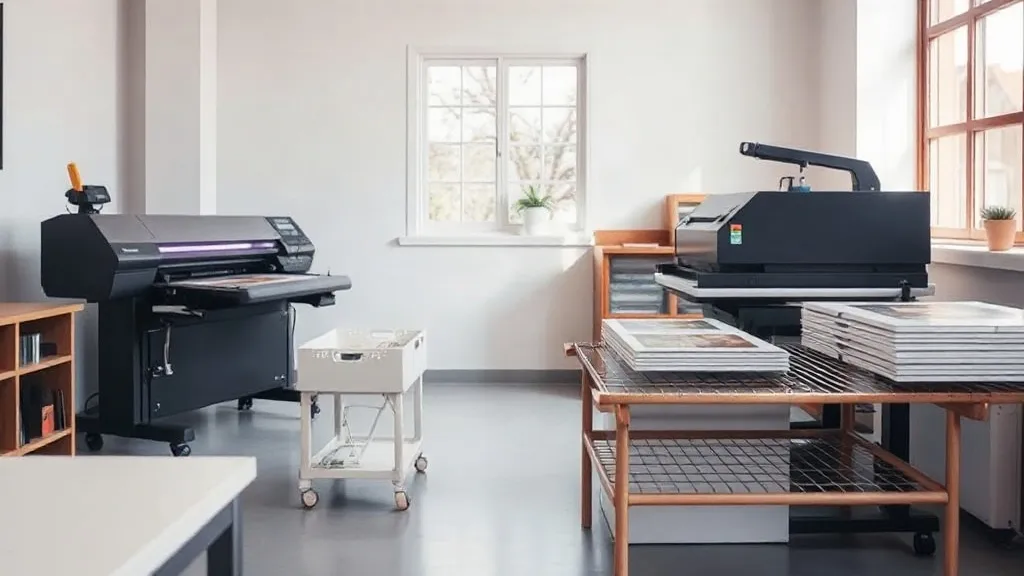
Most conversations about dtf transfers focus on a single print: did it crack, did it peel, did the color come out right. That is a fine place to start, but it stops being useful the moment your order book fills up. Once you are running dozens of transfers a week instead of a handful, the question shifts from "how do I get one good print" to "how do I get the same good print two hundred times without babysitting every sheet." That shift is where most small shops either find their rhythm or quietly burn out.
This guide is about that second phase. Not the basics of what dtf transfers are, and not another troubleshooting list of cracks and peels. Instead, it is about the operational side: how to lay out a workspace, handle film and powder at volume, and build routines that keep quality flat while your output climbs.
Why Volume Changes the Game
A single transfer is forgiving. You can eyeball the powder shake, guess at cure time, and still get a wearable result because your attention is fully on that one sheet. At volume, attention gets divided, and small inconsistencies compound. The shop that prints ten transfers a day with total focus often produces worse average quality than the shop printing eighty with a boring, repeatable process.
The reason is simple: DTF depends on a chain of steps that each have a narrow window. Print, powder, cure, press. If any link drifts, the whole print suffers, and at volume you cannot inspect every link by hand. You need the process to hold itself.
The Three Variables That Actually Move Quality
In practice, almost every quality issue at volume traces back to one of three things:
- Moisture. Film and powder both absorb ambient humidity, and wet powder cures unevenly. A shop in a humid climate will see more failures than the same setup in a dry one, even with identical settings.
- Powder distribution. Too little powder means weak adhesion. Too much means a stiff, plasticky hand feel and powder dust contaminating the shop. Consistent coverage is the goal, not maximum coverage.
- Temperature consistency. Not just the press, but the cure oven or heat source. A few degrees of drift changes how the adhesive melts, and melted adhesive is what bonds to fabric.
None of these are exotic problems. They are just easy to ignore when you are rushing, and easy to control once you decide to.
Setting Up a Workflow That Survives Busy Days
The physical layout of your shop matters more than most people admit. A dtf workflow has a natural left-to-right or top-to-bottom flow, and if your stations fight that flow, you will waste motion on every job.
A Simple Station Layout
Think of the process as four zones, arranged so a sheet never travels backward:
- Print zone. The printer, its RIP software, and a small staging area for film that has just come off the platen.
- Powder zone. A contained area with the powder shaker, a catch tray, and a way to reclaim excess powder. Keep this separate from the printer to avoid dust drifting onto wet ink.
- Cure zone. The oven or heat source, positioned so cured sheets can be stacked without touching each other.
- Press zone. The heat press, with a clear surface for laying out garments and a place to set finished pieces.
The goal is that a sheet moves in one direction and never crosses back into a zone it has already left. That single rule eliminates a surprising number of contamination problems, because powder dust and wet ink never share space.
Batching by Size, Not by Order
When orders are small, it is tempting to run them one at a time. At volume, batching pays off. Group transfers by film size and cure time so you can run a full sheet of the same setup before switching. Each switch costs setup time and introduces a chance for error, so fewer switches means fewer chances to drift.
Film and Powder Handling at Scale
Film and powder are where volume exposes sloppy habits. A single roll of film handled carelessly is a minor annoyance. A shop going through several rolls a week needs a system.
Storing Film So It Stays Flat and Dry
Film that has absorbed moisture prints poorly and cures unevenly. Store rolls upright in a dry area, away from the press and the cure oven, and keep partially used rolls sealed. If your shop runs humid, a simple dehumidifier in the storage area is cheaper than the film you will otherwise waste.
Powder: Reclaim, Don't Dump
Excess powder is not waste if you catch it. A catch tray under the powder station lets you reclaim what falls off, and reclaimed powder, when kept dry and free of clumps, works fine for most jobs. The key is to sift it and store it in a sealed container. Dumping excess powder is both a cost leak and a contamination risk, since airborne powder settles on everything.
Consistent Coverage Without Overdoing It
The instinct at volume is to shake more powder to be safe. Resist it. A light, even coat that fully covers the wet ink is enough. You can check coverage by tilting the sheet under a light; if you see shiny wet patches, add a little more, and if the surface looks caked, you have gone too far. Caked powder cures into a stiff layer that customers feel immediately.
Press Routines That Keep Quality Flat
Pressing is the last chance to get it right, and the easiest place to introduce variation when you are moving fast. A few habits make a real difference.
Standardize, Then Trust the Standard
Pick one temperature, one pressure, and one dwell time per fabric type, write them down, and stop adjusting them mid-run. The temptation to nudge settings when a print looks off is strong, but at volume, consistent settings let you diagnose problems instead of masking them. If a print fails, you want to know it was the film or the powder, not a random press tweak.
Peel Timing
Hot peel versus cold peel is a decision, not a coin flip. Whichever your film and powder combination calls for, do it the same way every time. Inconsistent peel timing is one of the quiet causes of edge lifting that only shows up after a wash.
Track Your Failures
Keep a simple log: date, film batch, powder batch, press settings, and any failures. After a few weeks, patterns emerge. Maybe failures cluster on humid days, or on one roll of film, or after a press has been running for hours. A log turns guesswork into something you can actually fix.
When Customers Ask for Local Service
As your shop grows, you will get more inquiries from people searching for dtf transfers near me, often expecting same-day turnaround. That demand is a good problem, but it puts pressure on your workflow. The shops that handle it well are the ones that built their process first and their marketing second. If your stations are laid out cleanly and your settings are standardized, adding a rush order is a scheduling question, not a quality risk.
Frequently Asked Questions
How do I keep DTF quality consistent when order volume doubles?
Standardize your settings per fabric type, batch jobs by film size and cure time, and keep a failure log. Consistency comes from removing decisions, not from working harder. When every sheet follows the same path and the same settings, quality stops depending on who is at the station.
Does reclaimed DTF powder actually work, or am I risking failures?
Reclaimed powder works fine if it stays dry and free of clumps. Sift it, store it sealed, and mix it with fresh powder rather than using it alone for critical jobs. The real risk is moisture, so keep reclaimed powder in a dry container and check it before use.
What is the biggest cause of quality drift in a busy DTF shop?
Humidity. Film and powder both absorb moisture, and wet powder cures unevenly in ways that are hard to see until a print fails after washing. A dehumidifier in the storage and powder area solves more problems than most equipment upgrades.
Should I press hot peel or cold peel for volume work?
Follow what your film and powder combination specifies, and then never vary it. The right answer depends on your materials, but the important part is consistency. Mixed peel timing is a common hidden cause of edge lifting that shows up only after a wash.
How do I handle rush orders without disrupting production?
Build your layout and settings first, then treat rush orders as a scheduling question. If your stations flow in one direction and your press settings are fixed, a rush job slots into the queue without forcing a settings change that could affect the rest of the run.