
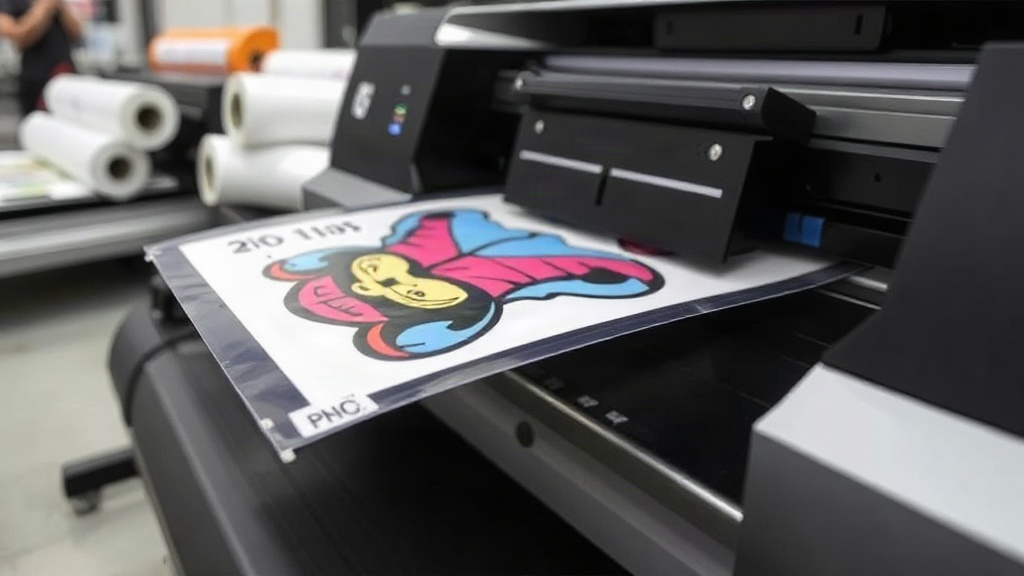
If you're in the custom apparel business, you've likely heard about DTF printing. It's a game-changer that allows you to print full-color designs on a wide range of fabrics with incredible durability. But what exactly is DTF, and why is it taking the printing world by storm? In this guide, we'll dive deep into DTF printing, from its mechanics to its benefits and practical tips for getting started.
What is DTF Printing?
DTF stands for Direct to Film. It's a printing method where your design is printed onto a special film, coated with a adhesive powder, and then heat-pressed onto the fabric. Unlike DTG (Direct to Garment) printing, which requires pretreating the garment, DTF transfers can be applied to almost any fabric, including cotton, polyester, blends, and even nylon. This versatility makes DTF a favorite among small business owners and hobbyists alike.
How Does DTF Printing Work?
The DTF process involves several key steps:
- Design Preparation: Your artwork is prepared in a graphics program, ensuring it's mirrored and sized appropriately.
- Printing: A specialized DTF printer lays down a layer of white ink (if needed) followed by CMYK colors onto a PET film.
- Powder Application: While the ink is still wet, a hot-melt adhesive powder is sprinkled over the print.
- Curing: The film is heated to melt the powder, creating a dry, tacky surface.
- Transfer: The film is placed on the fabric and heat-pressed, transferring the design permanently.
This process allows for vibrant, detailed prints that stretch with the fabric without cracking.
Why Choose DTF Printing?
DTF printing offers numerous advantages over other methods:
- Fabric Versatility: Works on cotton, polyester, blends, leather, and more.
- No Pretreatment: Saves time and equipment costs compared to DTG.
- Durability: Prints withstand repeated washing without fading or peeling.
- Color Vibrancy: Achieve bright, opaque colors even on dark garments.
- Cost-Effective for Small Runs: Ideal for one-off designs or small batches.
DTF vs. Other Printing Methods
How does DTF stack up against DTG, screen printing, and vinyl?
DTF vs. DTG
DTG requires pretreatment and works best on 100% cotton. DTF needs no pretreatment and adheres to many fabrics. DTG may have a softer feel, but DTF is more durable and versatile.
DTF vs. Screen Printing
Screen printing is cost-effective for large orders but requires separate screens per color. DTF excels for full-color, detailed designs without setup fees, making it perfect for small businesses.
DTF vs. Vinyl
Vinyl is great for simple, single-color designs but limited for complex images. DTF handles gradients, photos, and fine details with ease.
Getting Started with DTF Printing
Ready to try DTF? Here's what you need:
- DTF Printer: Options range from converted Epson printers to dedicated industrial machines.
- DTF Inks: Specifically formulated pigment inks for DTF.
- PET Film: Special transfer film for DTF.
- Adhesive Powder: Hot-melt powder for bonding.
- Heat Press: For curing and transferring.
- Design Software: For creating and preparing artwork.
Start with a small setup to test the waters, then scale as you grow.
Tips for Perfect DTF Transfers
To ensure success with DTF, keep these tips in mind:
- Use Quality Supplies: Cheap film or powder can lead to failures.
- Control Humidity: High humidity affects powder application.
- Test Your Heat Press: Calibrate temperature and pressure for consistent results.
- Store Transfers Properly: Keep them dry and flat to avoid damage.
- Practice: Experiment with different fabrics and settings.
Common DTF Printing Mistakes to Avoid
Even experienced printers make mistakes. Watch out for:
- Insufficient Powder: Leads to poor adhesion.
- Overcuring: Can cause the film to warp or the ink to dull.
- Wrong Pressure: Too little pressure means incomplete transfer.
- Ignoring Fabric Type: Some fabrics require lower temperatures.
Frequently Asked Questions about DTF Printing
What fabrics can I use with DTF transfers?
DTF transfers work on cotton, polyester, cotton-poly blends, nylon, leather, and more. They're especially great for stretchy fabrics because the print stretches with the material.
How long do DTF prints last?
When applied correctly, DTF prints can last as long as the garment itself. They withstand dozens of washes without fading, cracking, or peeling.
Do I need a special printer for DTF?
Yes, you need a printer that uses DTF inks and can handle PET film. Many people convert Epson printers, but dedicated DTF printers are also available.
Is DTF printing cost-effective for small businesses?
Absolutely. DTF has low setup costs and no minimum order requirements, making it ideal for small businesses, etsy sellers, and print-on-demand.
Can I use DTF on dark shirts?
Yes! DTF printing uses a white ink layer under the colors, so designs pop on both light and dark garments.
Conclusion
DTF printing is revolutionizing the custom apparel industry with its versatility, durability, and vibrant results. Whether you're a seasoned pro or just starting, DTF opens up a world of possibilities. With the right supplies and a bit of practice, you'll be creating stunning transfers in no time. So why wait? Dive into DTF printing today and elevate your creations.